

Understanding Amniotic Tissue Grafts
Amniotic tissue grafts are made from the amniotic sac that surrounds the baby in the womb. When women deliver healthy babies during planned C-sections, they can donate the placenta with attached amniotic membranes. These membranes are , processed, dried, cut into patches, and sterilized before being used on patients. To learn more about the acquisition process of placenta at LOFT stands for Louisiana Organization for Transplant and is the division of Tides Medical responsible for managing the donation process.
The biologic products made from donated placentas can be used to:
- treat patients with difficult-to-heal wounds or in surgical procedures
- to provide physicians with an advanced natural treatment option for their patients
- to make a real impact on another person’s quality of life
Skin Protection
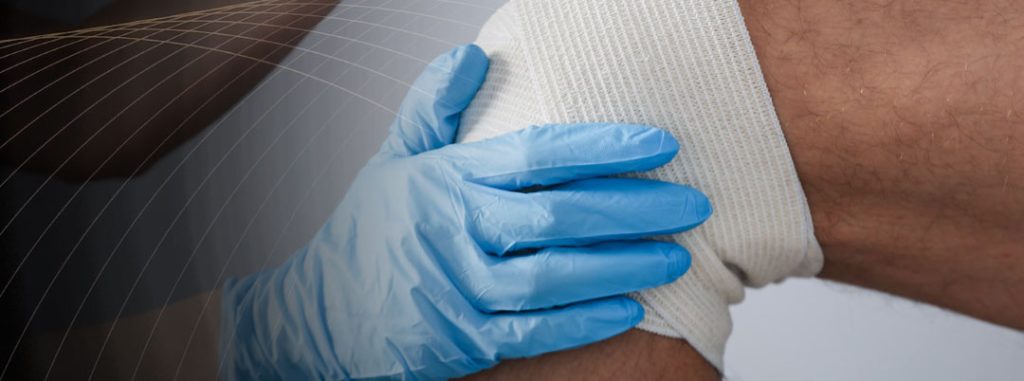
Amniotic tissue grafts create a natural barrier, shielding wounds from external contaminants and reducing the risk of infection. The anti-inflammatory properties of amniotic tissue play a crucial role in minimizing pain and discomfort and promoting a more comfortable recovery for patients. This makes it ideal for treating chronic wounds, diabetic ulcers, and other challenging skin conditions.
Burns
Burn injuries present a complex challenge due to extensive tissue damage and the high risk of infection. Traditional treatments often fail to provide effective and timely healing. However, amniotic tissue grafts and skin substitutes have shown promising results in burn care.